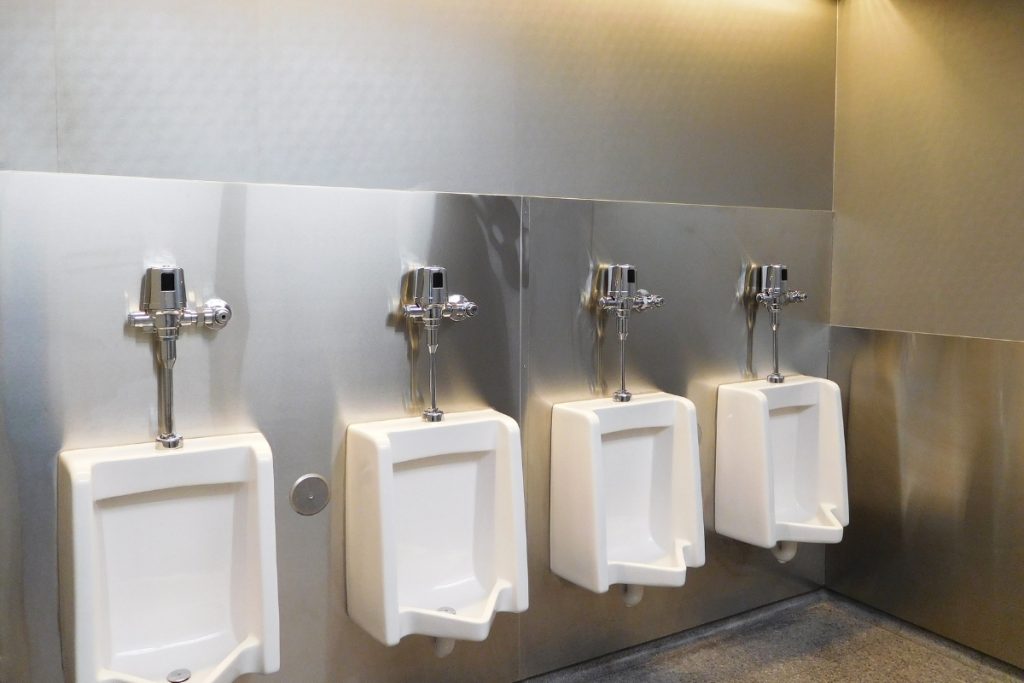
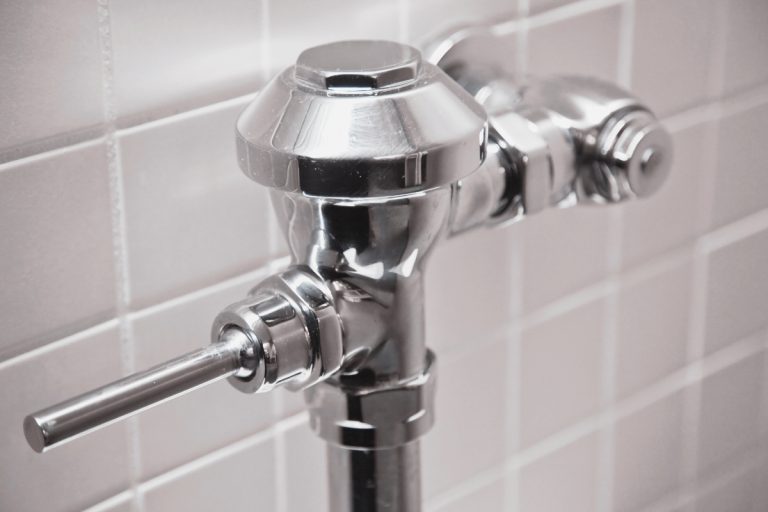
A flushometer is a valve-based toilet flushing system that uses pressurized water instead of a tank. Common in commercial and public restrooms, it provides fast, reliable flushing while improving durability, hygiene, and water efficiency.
Flushometer-valve toilets are a key component of modern public sanitation, designed for efficiency, durability, and consistent performance in high-traffic environments. First introduced in the early 20th century by William Elvis Sloan, these systems replaced traditional tank-based designs with pressurized flushing technology, allowing for faster operation and reduced maintenance.
Over time, flushometers have evolved alongside advancements in plumbing and building systems. Today, they often include touchless activation, improved water control, and features that support sustainability and hygiene standards. Their continued use in commercial and institutional settings reflects their reliability and their role in supporting large-scale sanitation needs.
The Evolution and Importance of Commercial Flushometer-Valve Toilets
Modern infrastructure relies on an array of utilities to ensure comfort, hygiene, and efficiency in public spaces.
Among these, commercial toilets, particularly flushometer-valve toilets, stand as unsung heroes of urban development.
These high-performance fixtures have revolutionized sanitation, ensuring cleanliness and sustainability in high-traffic environments.
But what exactly are flushometer-valve toilets, and why have they become indispensable in commercial and institutional settings? This article explores their history, functionality, and impact on modern infrastructure.

A Brief History of Flushometer-Valve Toilets
The flushometer-valve toilet—a term not as widely recognized as its ubiquitous presence—is a product of ingenuity born out of necessity. Before the advent of modern plumbing systems, sanitation was rudimentary at best. Chamber pots and rudimentary outhouses were the norms, posing significant public health challenges.

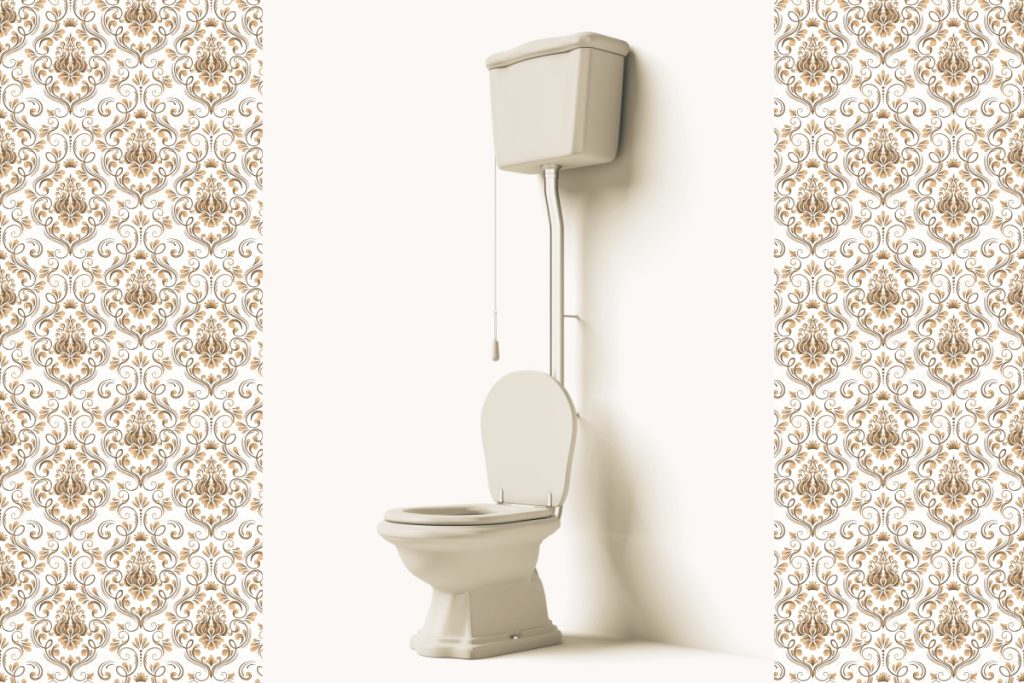
The turning point came in the late 19th century, when American innovator William Elvis Sloan introduced the flushometer valve in 1906. Sloan’s invention addressed the inefficiencies of traditional gravity-flush toilets, which relied on large cisterns to store water. Instead, the flushometer valve used water pressure from the plumbing system, delivering a powerful flush directly to the bowl without requiring a tank.
This breakthrough had profound implications. The tankless design was not only more space-efficient but also significantly reduced water wastage. Sloan’s innovation laid the foundation for the commercial flushometer-valve toilets we see today, enabling their widespread adoption in high-traffic public spaces such as airports, schools, hospitals, and shopping malls.
How Flushometer-Valve Toilets Work
Flushometer-valve toilets operate using a straightforward yet highly effective mechanism. Unlike residential toilets that rely on gravity to flush water from a tank, flushometer-valve toilets are connected directly to the building’s water supply. Here’s a step-by-step overview of their operation:
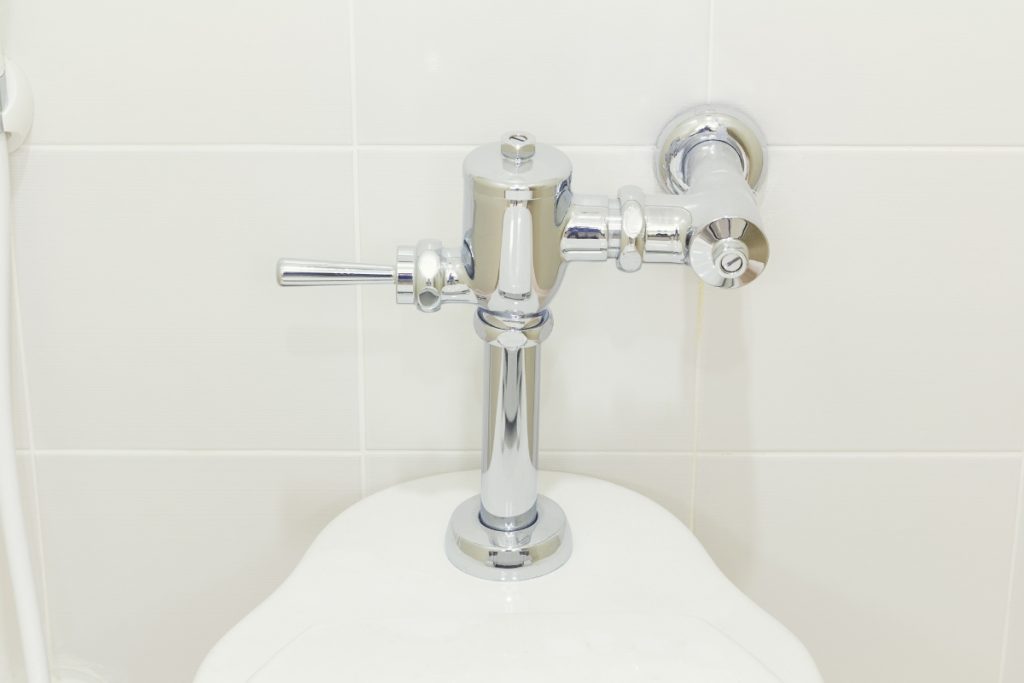
Pressurized Valve Activation: When a user activates the flush (typically via a handle, button, or sensor), the flushometer valve opens, allowing pressurized water to flow into the bowl.
Rapid and Efficient Cleaning: The high-pressure water quickly clears waste and cleans the bowl, ensuring efficient sanitation.
Automatic Shut-Off: Once the flush is complete, the valve automatically shuts off, halting water flow and preventing overuse or leaks.
Refill Mechanism: The system resets almost instantaneously, making it ready for the next user without the need for a tank refill period.
This efficient operation makes flushometer-valve toilets ideal for high-usage environments, where durability and speed are paramount.
Advantages of Flushometer-Valve Toilets
Flushometer-valve toilets offer numerous benefits that have cemented their place in commercial and institutional infrastructure:
Water Efficiency: With precise control over water flow, these toilets significantly reduce water usage compared to traditional gravity-flush systems. Modern flushometer models often comply with stringent water conservation standards, such as the Environmental Protection Agency’s WaterSense program.
Durability and Longevity: Built to withstand frequent use, flushometer toilets are made from robust materials and are less prone to mechanical failures, ensuring long-term reliability in busy settings.
Space-Saving Design: The tankless structure allows for more compact installations, maximizing usable space—a critical factor in crowded urban environments.
Hygienic Features: Many modern flushometer systems incorporate touchless technology, reducing the spread of germs in public restrooms.
Rapid Operation: Unlike gravity-flush toilets, which require time to refill their tanks, flushometer-valve systems reset immediately, accommodating high traffic without delays.
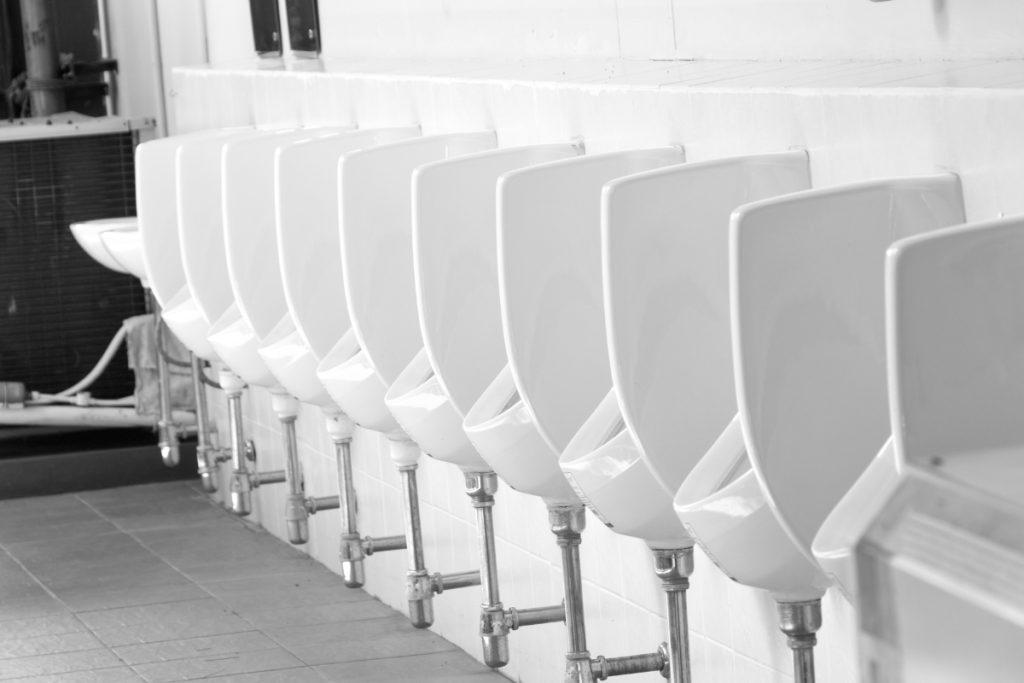
The Role of Flushometer-Valve Toilets in Infrastructure
The importance of flushometer-valve toilets extends far beyond their mechanical efficiency. They play a critical role in the broader context of public health, environmental sustainability, and urban planning.
Public Health: Proper sanitation is a cornerstone of public health. Flushometer-valve toilets ensure waste is disposed of efficiently, reducing the risk of contamination and disease transmission in densely populated areas.
Environmental Sustainability: With global water resources under increasing strain, the water-saving capabilities of flushometer systems contribute to sustainable urban development. Advanced models use as little as .125 gallons per flush (GPF), compared to older models that could use up to 5 GPF.
Urban Planning and Design: As cities grow and public spaces become more crowded, the compact design and high capacity of flushometer-valve toilets make them a practical choice for modern infrastructure. Their ability to handle large volumes of users ensures that facilities remain functional even during peak usage.
Economic Efficiency: For businesses and institutions, the durability and low maintenance requirements of flushometer-valve toilets translate into cost savings over time. Additionally, their water efficiency reduces utility expenses.
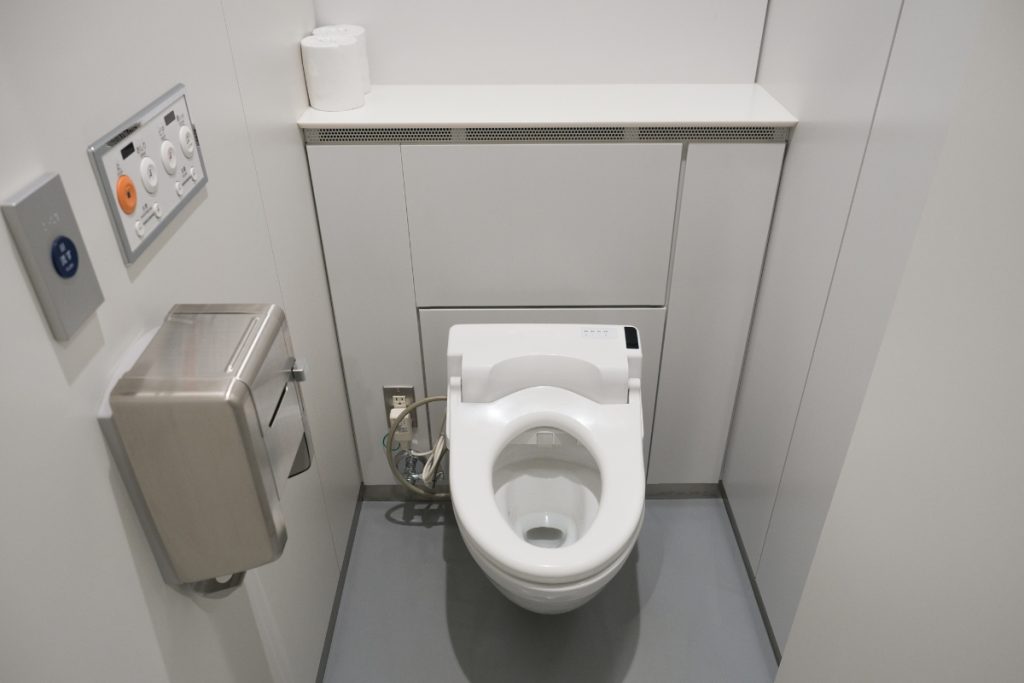
Innovations and Trends in Flushometer-Valve Toilets
The evolution of flushometer-valve toilets is ongoing, driven by advancements in technology and changing societal needs. Here are some notable trends and innovations:
Touchless Technology: The COVID-19 pandemic accelerated the adoption of touchless fixtures, including flushometer valves. Infrared sensors and smart systems enable hands-free operation, enhancing hygiene and user experience.
Smart Restroom Solutions: Integration with Internet of Things (IoT) technology allows for real-time monitoring of restroom usage, maintenance needs, and water consumption. Facility managers can use this data to optimize operations and reduce downtime.
Aesthetic and Functional Customization: Manufacturers now offer a wide range of styles and finishes to meet the aesthetic and functional requirements of diverse settings, from upscale hotels to industrial facilities.
Sustainability Certifications: Many flushometer-valve toilets now carry certifications that affirm their compliance with green building standards, such as LEED (Leadership in Energy and Environmental Design).
Challenges and Considerations
While flushometer-valve toilets offer many advantages, they are not without challenges. Installation requires access to a pressurized water supply, making retrofitting older buildings potentially costly. Additionally, proper maintenance is essential to ensure long-term performance, as issues such as clogged valves or leaks can compromise efficiency.
However, with proper planning and investment, these challenges can be mitigated, allowing facilities to reap the long-term benefits of flushometer technology.
Flushometer-valve toilets are a testament to the ingenuity and foresight of modern engineering. From their inception in the early 20th century to their role in today’s sustainable infrastructure, these fixtures have proven indispensable in addressing the sanitation needs of high-traffic environments.
As cities continue to grow and the demand for efficient, hygienic, and sustainable solutions increases, the importance of flushometer-valve toilets will only deepen. By embracing innovation and prioritizing maintenance, businesses and institutions can ensure that these silent workhorses remain at the forefront of modern sanitation for decades to come.